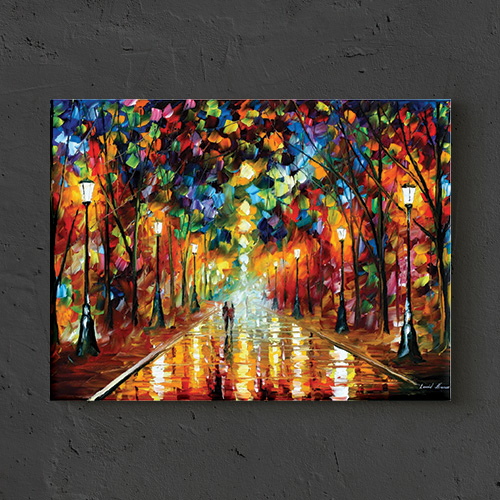
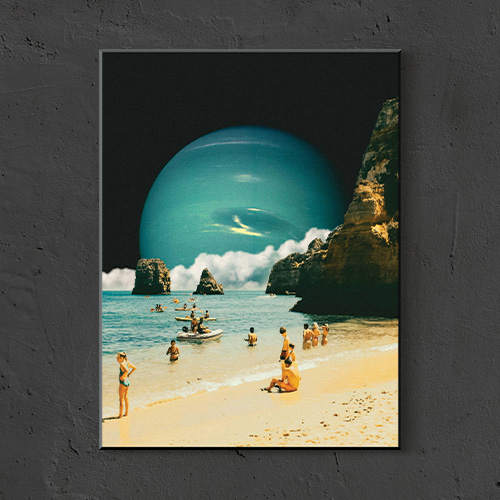
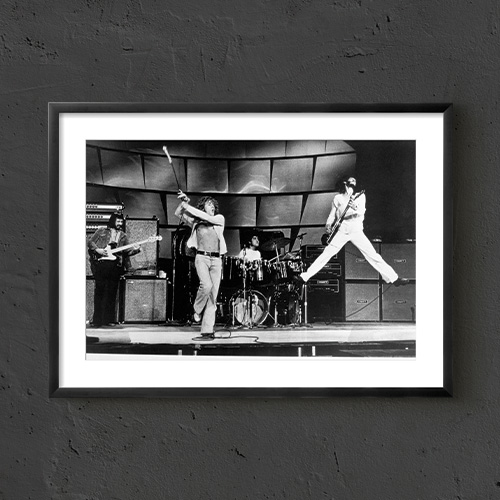
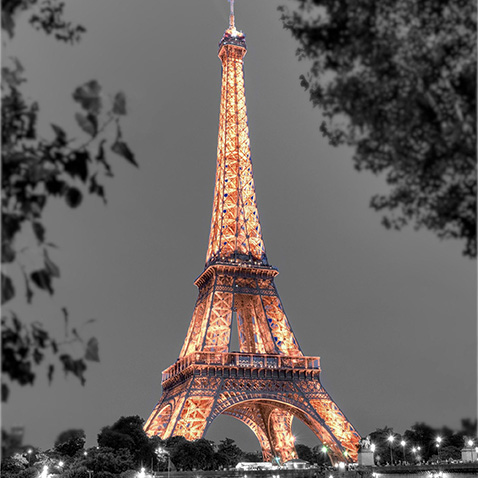
This giclée print delivers a vivid image with maximum color accuracy and exceptional resolution. The standard for museums and galleries around the world, giclée (French for “to spray”) is a printing process where millions of ink droplets are sprayed onto the paper’s surface. With the great degree of detail and smooth transitions of color gradients, giclée prints appear much more realistic than other reproduction prints. The high-quality paper (235 gsm) is acid free with a smooth surface.


This premium giclée print, an upgrade from the standard giclée print, is produced on thick (310 gsm), textured watercolor paper made from alpha cellulous wood pulp that is acid free. It shares the same vivid colors, accuracy, and exceptional resolution that make giclée prints the standard for museums and galleries around the world. Giclée (French for “to spray”) is a printing process where millions of ink droplets are sprayed onto a high-quality paper. The smooth transitions of color gradients make giclée prints appear much more realistic than other prints.
4938412004938412689c28479f3249eaa45e7ada72a829bd985PLN132cmKolor ścianyWybierz kolor ścianyWyświetlono z Żadna rama Ci się nie podoba?Sam zaprojektuj ramęOprawiona reprodukcja
Ten wysokiej jakości wydruk przygotowano tak, by możliwie wiernie oddać najsubtelniejsze szczegóły oryginału i bogatą gamę jego barw.
O artyście
Błyskotliwe dzieła Vincenta Van Gogha (1853 – 1890), postimpresjonisty wśród holenderskich mistrzów, wywarły ogromny wpływ na niezliczone prądy w sztuce. Wszystkie prace Van Gogha powstały w ciągu zaledwie jednej dekady. Artysta każdego roku tworzył 150 obrazów i rysunków. Van Gogh malował w plenerze, dzięki niezwykłemu talentowi oddając niuanse nocnej gry światłocieni. Przez całe życie zmagał się z chorobą psychiczną, liczne ze swych dzieł tworząc podczas pobytów w zakładach dla umysłowo chorych. Za życia udało mu się znaleźć nabywcę na tylko jeden obraz, co nie przeszkodziło mu przejść do historii jako jeden z najbardziej wpływowych artystów XIX wieku.